
Houston County Traffic Warrants Explained
A traffic warrant is court process, not a line on your driving history. Skip a court date or leave a fine unpaid in Houston County, and what happens next depends on the judge and the case: an FTA entry, a contempt or default finding, a new citation, or a warrant. Erin and Tennessee Ridge each handle municipal ordinance and traffic matters inside their city limits, and General Sessions handles county traffic matters within its jurisdiction. The docket decides which record exists. The AOC describes city courts as covering municipal ordinances and often traffic-related matters, while its General Sessions overview cautions that county jurisdiction varies. Houston County publishes no single public lookup that spans both city courts and the county court, so the docket holder is the real answer.
Houston County Traffic Fines and Warrants
Erin's official payment page sends traffic fines and court costs through CitiSen and lists a 2.5% fee on online or credit-card transactions. The service asks for account details plus a receipt or tax-year figure before it will search. Before you pay anything, call Erin City Court at 931-289-2727 and confirm the ticket qualifies. Ask whether a bench process or FTA sits on the docket, and how the clerk verifies that the court is satisfied. A payment screen will not tell you a warrant's status; only the clerk can. And Houston County readers should not carry the 2.5% city fee over to county court costs, bond, or state license fees, since those are set elsewhere.
Checking for a Traffic Warrant
The court printed on the citation is always the first route. Erin's court and police share an address at 15 Hill Street, reachable at 931-289-2727. Tennessee Ridge's AOC city-clerk entry lists 1435 North Main Street and 931-721-3385. For a county-level traffic matter in Houston County, confirm the clerk route through the courthouse. Once a case has turned into an arrest warrant, ask HCSO at 931-289-4614 along with the issuing court, since both hold pieces of the answer. The sheriff's E-911 link is currently offline, and Tennessee offers no statewide public warrant-name search. If that portal comes back, read its coverage notice first. Call the court anyway, because a clean search result still does not prove no warrant exists.
Houston County Traffic Warrant Questions
Bring the citation number, the court date, and any Department of Safety letter when you make a Houston County traffic warrant inquiry. Ask the clerk to read what the docket actually shows: a missed appearance, an unpaid balance, a default, contempt, a bench process, or nothing more than an FTA report. Those words can describe separate records, so get the label right. Then ask for the court-approved fix, whether that is appearing, resetting the date, paying, joining a payment plan, or filing a motion the judge directs. Keep the receipt from any authorized payment. Follow up by asking whether the court will recall the process and send compliance to the Department of Safety. The license step alone cannot withdraw a warrant.
Houston County Traffic Record Fields
A ticket, a docket line, a booking report, and a license notice each capture a different event in Houston County. The E-911 live search shows its own result fields. Their format is not published. The sample below is a visual placeholder only, so never read it as a local warrant code: CITATION OR CASE NUMBER.
| Citation number | Identifies the ticket or ordinance matter. |
|---|---|
| Court and date | Shows where and when appearance was required. |
| FTA entry | Records a missed appearance; it may be separate from a warrant. |
| Process type | Clerk can say whether bench or arrest process was entered. |
| Payment balance | Does not prove recall or Department of Safety compliance. |
How Houston County Traffic Warrants Reach DOS
MTAS lays out a typical sequence: a citation with a court date, an appearance or a nonappearance, an FTA or other court action, and then a report from the court to the Department of Safety. After that notice, DOS may allow a 30-day window to satisfy the matter and submit proof of court compliance. Its support page references a $65 reinstatement fee for the licensing step. None of that replaces the court's own case work, which stays separate. The state portal is a court-facing compliance channel, not a public warrant database, so it will not answer a personal warrant question. See the Tennessee Department of Safety Court Portal as referenced by MTAS for court submission and compliance work.
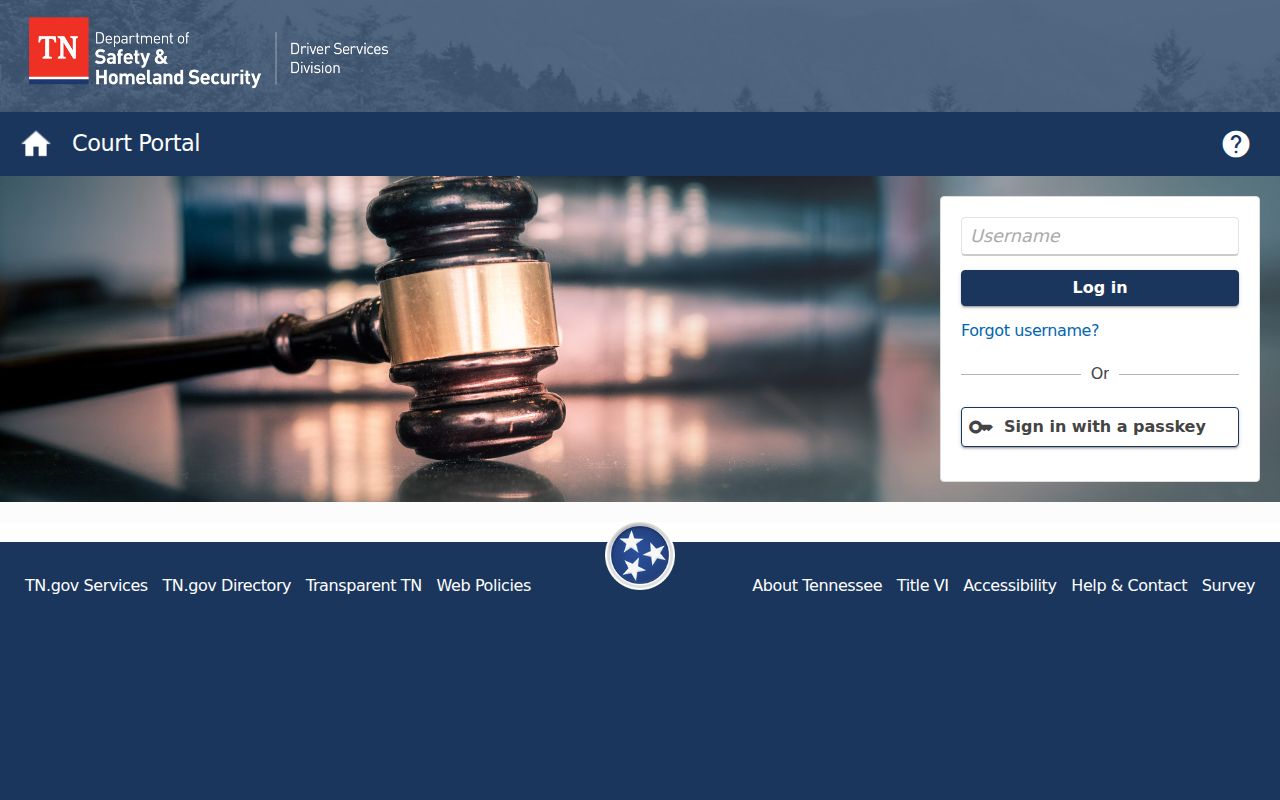
For a personal Houston County warrant check, start with the issuing court, not this restricted court workflow.
How to Pay or Lift a Traffic Warrant
Hold off on sending money until the clerk confirms payment is allowed on that case and explains whether an appearance is still required. If the city permits online payment, use its official link and keep the receipt. Then ask whether the clerk issues a recall or satisfaction notice and how it reaches any state compliance system.
An online payment can settle an approved balance, but it does not by itself prove that a court warrant was recalled or an FTA report was cleared.
When the Houston County matter is an arrest warrant or capias rather than a city fine, contact the issuing clerk and HCSO separately. A lawyer can tell you whether a motion or a scheduled appearance is required.
Houston County Traffic Search Limits
Each Houston County channel does one job: the official HCSO link, the two city court clerks, the county court route, and the Department of Safety are not interchangeable. Erin's CitiSen page takes payment information, while Tennessee Ridge's sources identify a clerk but offer no public payment or warrant portal. No county-wide source joins all of these into one traffic-ticket lookup, so expect to work the phones. MTAS guidance helps explain how courts report an FTA to the state, but it sets no automatic-warrant rule for Houston County. On a specific citation, ask that ticket's clerk what was entered and what remains open.
Traffic Warrants, FTA, and License Holds
A Houston County traffic warrant, a failure-to-appear notation, and a Department of Safety license hold are three different things. MTAS describes the court's part: it may report an FTA, mail a notice, then submit compliance once a citation is satisfied through an accepted path. Clearing the state's licensing step is separate. It does not recall the court's own process.
| Question | Record or Office | What It Can Confirm |
|---|---|---|
| Was a warrant issued? | Issuing municipal or county court | Current docket and process entry |
| Was the FTA reported? | Issuing court / Department of Safety | Compliance and license notice status |
| Is county arrest process involved? | HCSO and issuing clerk | Service, custody, and case routing |
Check each system on its own and keep the court's proof of compliance. A cleared license notice in Houston County does not mean the court recalled its warrant.
Houston County Traffic Warrant Compliance Needs Proof
Once payment, a reset, or another fix is accepted, keep the receipt. Then ask the clerk what document proves the Houston County case is satisfied. If a failure to appear went to DOS, ask whether the court sends its release and what the notice says about timing or fees. The court posts no local processing time. No Houston County traffic-warrant fee is listed either. The MTAS citation-satisfaction explanation and Department of Safety support information work as statewide references. Review MTAS compliance guidance before asking the clerk which report applies to your warrant. The MTAS page describes court reporting after satisfaction; it is not a live docket for the two Houston County cities. Confirm the particular case with its clerk. Keep every response you get.
Only the court can confirm whether its own process has been cleared.